Rebalancing Frequency: Test 5 Percentage Point Triggers in Australia

Most long-term investors should review their allocations at least once or twice a year, a baseline supported by MoneySmart’s guidance on tracking investments. If you want a more responsive approach, use a threshold trigger, such as rebalancing when an asset class drifts roughly 5 percentage points from target. Rebalancing more often tends to raise turnover, fees, and tax exposure, while rebalancing too rarely lets risk drift further than intended. Modelling your own numbers clarifies which tradeoff suits you.
TL;DR:
- A 5 percentage point trigger on a 10% allocation equals a 50% relative move; pairing absolute and relative limits avoids overreacting to small holdings.
- In a 60/40 portfolio, a calendar rule waits for its set date, while a 5 percentage point trigger acts once equities cross 65%.
- Investors in taxable accounts can direct contributions and dividends to underweight assets before selling appreciated holdings, which can trigger capital gains tax.
- Model different rules over a 10 to 30 year horizon, tracking turnover, fees, tax effects, and how often allocations stay within your risk band.
Table of Contents
- Calendar schedules versus threshold triggers: how they work and when to use each
- How to choose rebalancing frequency by investor profile and account type
- Costs, turnover and tax: the concrete tradeoffs of rebalancing frequency
- Practical rebalancing checklist and short worked examples to implement today
- Use scenario modelling to compare frequencies
- Pick a simple rule and automate the discipline
- Model your rebalancing scenarios before you commit
- FAQ
- Sources
Calendar schedules versus threshold triggers: how they work and when to use each
Calendar rebalancing resets your portfolio to target weights on a fixed schedule regardless of how far it has drifted. Annual reviews suit buy-and-hold investors with simple portfolios and low tolerance for trading effort. Semi-annual or quarterly schedules fit investors who want tighter control over risk exposure or who hold more volatile assets. Monthly rebalancing is rarely necessary for most individual portfolios and usually adds cost without a matching benefit, a point Research Affiliates makes when comparing rebalancing frequencies against transaction costs.
Threshold rebalancing acts only when drift crosses a set boundary, which can be absolute (a fixed percentage-point move) or relative (a percentage of the target weight itself). A 5 percentage-point absolute trigger on a 10% allocation is a 50% relative move, which is why combining both measures, sometimes called 5/25-style guidance, avoids reacting to insignificant drift in small allocations while still catching meaningful moves in larger ones, as explained by Cabot Wealth Network.
Consider a 60/40 portfolio where equities rally and push the split to 68/32:
- A calendar approach waits for the scheduled date, regardless of how far the drift has gone.
- A 5-point absolute threshold triggers immediately once equities cross 65%.
- A relative 25% rule triggers even earlier on the bond side, since 32% is a 20% relative drop from the 40% target.
How to choose rebalancing frequency by investor profile and account type
The right frequency depends on a handful of practical factors rather than a single universal rule.
- Time horizon: longer horizons tolerate wider drift bands since short-term swings matter less.
- Risk tolerance: investors who react badly to volatility benefit from tighter thresholds or more frequent calendar checks.
- Account type: taxable brokerage accounts favor fewer sells, while superannuation or retirement accounts can rebalance more freely without triggering capital gains tax.
- Contribution cadence: regular contributors can rebalance largely through where new money goes, reducing the need to sell anything.
- Brokerage fees: higher per-trade costs push toward annual or semi-annual calendar rules instead of frequent threshold checks.
A buy-and-hold investor with a long horizon typically does well with an annual review, consistent with the starting point MoneySmart suggests. Someone contributing monthly can direct new funds toward underweight assets and combine that with a loose threshold for occasional sells. Investors facing high brokerage costs should lean toward calendar rules with longer intervals, since each unnecessary trade erodes more of the benefit. Taxable accounts add another layer: selling appreciated assets to rebalance can trigger a taxable event, so directing contributions and dividends toward underweight positions is usually the first move before considering any sale.
Costs, turnover and tax: the concrete tradeoffs of rebalancing frequency
Frequent rebalancing sounds disciplined, but the evidence does not support it improving outcomes. Research Affiliates finds that higher-frequency rebalancing rarely improves risk-adjusted returns materially while reliably increasing transaction costs. Rebalancing works as a risk-management discipline, not a tool for timing short-term performance.
A few tactics keep costs and tax impact in check:
- Direct dividends and new contributions toward underweight assets before selling anything.
- Use capital losses intentionally when they arise, rather than ignoring them, to offset gains elsewhere.
- Rebalance inside superannuation or other tax-advantaged accounts first, since the ATO’s capital gains tax rules apply to disposals in taxable accounts.
- Stagger larger trades across several sessions and use limit orders to reduce market impact.
- Avoid trading during major index rebalancing windows, when liquidity and pricing can be less favorable.
Our guide to contribution-first ETF rebalancing walks through this exact sequencing for Australian investors managing capital gains tax exposure.
Pro Tip: Aggregate several small rebalancing trades into one consolidated order instead of executing each adjustment separately; it cuts fees and reduces unnecessary market exposure.
Practical rebalancing checklist and short worked examples to implement today
A simple process removes the guesswork from staying on target.
- Set clear target weights for every asset class in the portfolio.
- Choose a method: calendar, threshold, or a hybrid of both.
- Set a recurring reminder or a drift alert, depending on the method chosen.
- Plan execution so contributions and dividends get used before any selling.
- Write down the rule so you apply it consistently instead of reacting emotionally to market moves.
Example A: Annual calendar rebalance for a 60/40 portfolio. On the same date each year, compare current weights to targets. If equities have grown to 66% and bonds fallen to 34%, sell enough equities and buy enough bonds to restore 60/40. Turnover in a typical year might involve trading a modest slice of the portfolio, concentrated in whichever asset class ran furthest from target.
If a contribution arrives while equities sit at 63%, direct that new money entirely to bonds instead of selling equities, which can delay or eliminate the need for a taxable sale.
- Both methods work; the right pick depends on how closely you want risk managed versus how much trading you want to do.
- Combining calendar reviews with a wide threshold catches both routine drift and sudden market moves.
Use scenario modelling to compare frequencies
Picking between calendar and threshold rules gets easier once you can see the numbers side by side rather than guessing. Worth tracking across any simulation: turnover as a percentage of assets, projected net-of-tax returns, and how often the portfolio stays within your intended risk band.
A few experiments worth running:
- Compare annual, quarterly, and 5% threshold rebalancing over a 10 to 30 year horizon.
- Measure how turnover and fees change across each method under the same market assumptions.
- Check how capital gains tax timing shifts the net outcome in a taxable account versus a superannuation account.
This is the kind of comparison our scenario tools are built for: side-by-side modelling across different rebalancing rules, stress tests against adverse market sequences, and projections that account for Australian tax and superannuation rules. If contribution timing is part of your strategy, our piece on lump sum versus dollar-cost averaging covers a related decision worth modelling alongside rebalancing frequency.
Pick a simple rule and automate the discipline
Rebalancing is risk management, not market timing, a distinction Research Affiliates’ work makes clear. The investors who benefit most are the ones who choose a rule, automate the reminder or the trigger, and stop second-guessing it every time the market moves. When your situation is genuinely complex, modelling the tradeoffs beats guessing.
— Aerowealth Team
Model your rebalancing scenarios before you commit
Choosing between a calendar rule and a threshold rule is easier when you can see the turnover, tax impact, and risk outcome of each laid out side by side instead of estimating in your head. Platforms exist that let you build those scenarios directly, compare them against stress tests, and see projections that reflect Australian super and tax rules rather than generic assumptions.
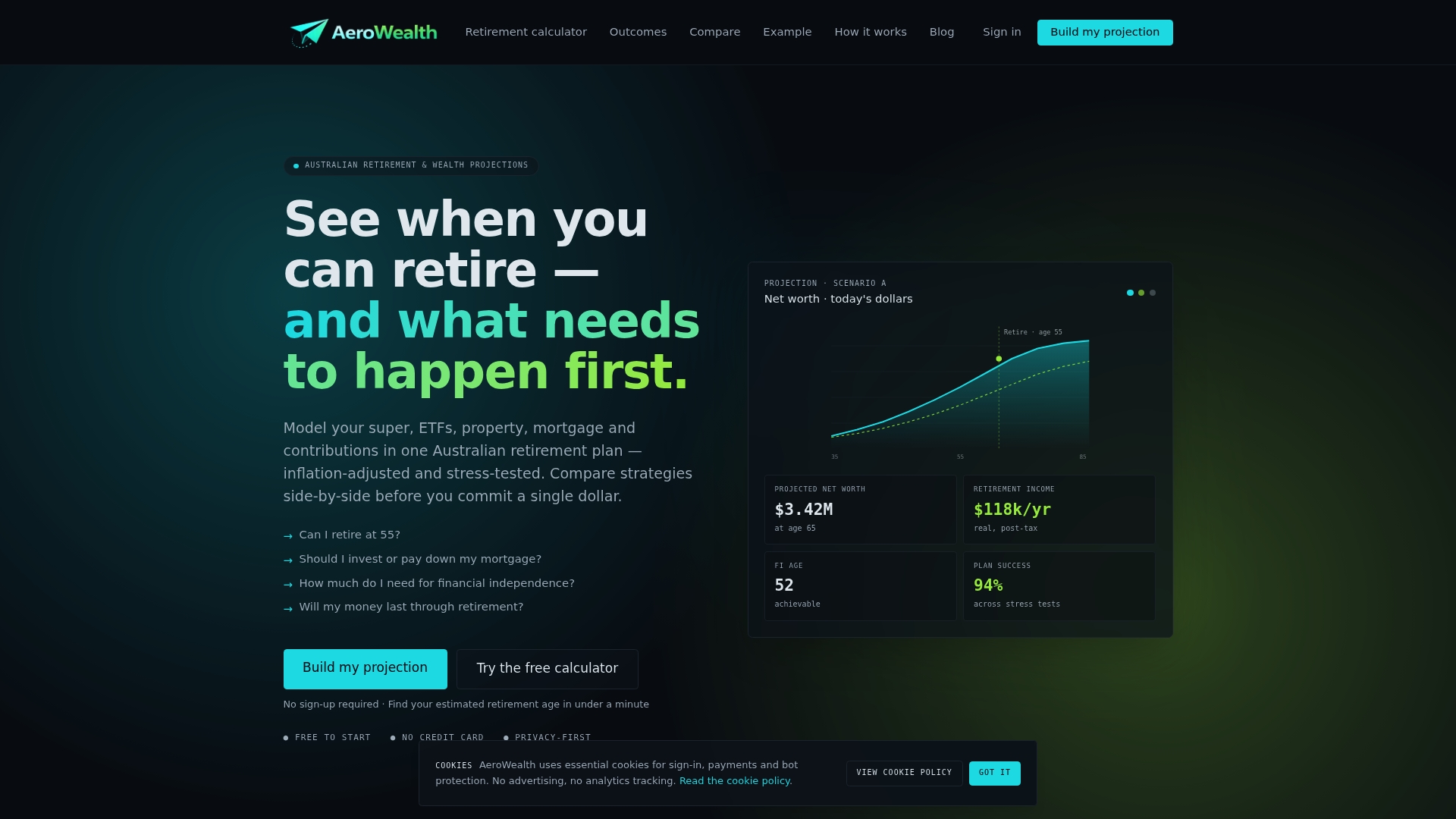
If you want to run your first comparison, our free plan is enough to test a calendar rule against a threshold rule on your own numbers, and the Pro plan at $7 AUD per month adds expanded scenario comparisons if you want to go further. Visit our pricing page to get started.
This article is general information, not a substitute for advice from a qualified financial advisor. Consult a qualified financial professional about your own circumstances before acting on anything here.

FAQ
What is portfolio rebalancing and why is it important?
Portfolio rebalancing means adjusting your holdings back toward target weights after market moves have shifted them. It matters because unchecked drift can leave you holding more risk than intended, which is why MoneySmart recommends reviewing allocations every six to 12 months as a starting point.
What is the 7% rule in ETF rebalancing?
There is no single standardized “7% rule” in ETF rebalancing; threshold approaches more commonly reference a 5 percentage-point absolute band or a 25% relative drift, sometimes called 5/25-style guidance, as described by Cabot Wealth Network. Definitions vary across sources, so check the specific threshold a strategy uses before applying it.
How often is an index fund typically rebalanced?
Rebalancing frequency varies by fund and strategy rather than following one fixed schedule; fundamentals-weighted approaches often favor annual rebalancing to limit turnover, while momentum-based strategies may rebalance more frequently, sometimes closer to every four months, according to Research Affiliates. Check a specific fund’s own disclosure for its actual schedule.
What is a common guideline for a 70/30 stock-bond split?
General guidance for any fixed stock-bond split, including 70/30, follows the same principles as other allocations: review every six to 12 months per MoneySmart, or use a threshold trigger if you want a more responsive rule. There is no single named rule specific to a 70/30 split beyond standard calendar or threshold rebalancing practices.
How can modelling help me decide on a rebalancing frequency?
Running your own numbers through a few scenarios shows the turnover, tax impact, and risk outcome of each rebalancing frequency before you commit to one. Tools like our scenario comparisons let you test calendar versus threshold rules side by side using assumptions relevant to your own portfolio and account type.
Sources
- Keep track of your investments - MoneySmart
- Rebalancing: Why? When? How Often? · Research Affiliates
- Is it time to rebalance your portfolio? · Cabot Wealth Network